Just because the bill is low doesn’t mean energy is affordableDestenie Nock, Carnegie Mellon University
Severe flooding raises deadly overdose risk in rural Appalachia, study finds – and the harm lasts for yearsKristina P. Brant, Penn State
AI companies look to the ocean as a place to put more data centersNir Kshetri, University of North Carolina – Greensboro
Dealing with disasters increasingly requires a smartphone – losing access can be a nightmare, but there are ways to prepareLee Ann Rawlins Williams, University of North Dakota
Ancient forests took 100,000 years to recover from past global warming – Wyoming fossils reveal what happenedRegan E. Dunn, USC Dornsife College of Letters, Arts and Sciences
Paving paradise: Dismantling the Roadless Rule threatens to disrupt wildlife, water and peace in the last quiet places in AmericaMariah Meek, Michigan State University and Travis Belote, Montana State University
Controlling wild pigs can work if it’s a group effortChris Boyer, University of Tennessee; Aaron Smith, University of Tennessee, and Eunchun Park, University of Arkansas
Wildfire-damaged historic buildings may not be as ruined as they appear, but saving them means acting fastRebecca Napolitano, Penn State; Giorgia Giardina, Delft University of Technology, and Tiago Miguel Ferreira, Universidade de Lisboa
As oil profits skyrocket, calls for windfall taxes riseTibor Besedeš, Georgia Institute of Technology
Green roofs can help cool cities in the summer heat, but building them is only the first step – many don’t surviveTaylor Wishart, University of Tennessee
Wildfires can leave surviving homes and their water unsafe – what Spokane residents need to know as they returnAndrew J. Whelton, Purdue University
Cyclospora spreads through human waste – so how did it get on food?Joan Rose, Michigan State University
Oil shortages escalate from wars in Iran and Ukraine, with few signs of reliefAmy Myers Jaffe, New York University; Tufts University
Just weeks before devastating wildfires hit, Spokane practiced a mass evacuation – the drill paid offAshley Bosa, Boise State University
Soaring US beef prices likely to rise further thanks to trade tensions and disease outbreaksAndrew Muhammad, University of Tennessee and Charles Martinez, University of Tennessee
Suspending federal gas tax wouldn’t save drivers as much as they might hope – here’s what goes into the price of a gallon of gasRobert I. Harris, Georgia Institute of Technology
When oil prices spike, where does the money go?Matthew E. Oliver, Georgia Institute of Technology and Tibor Besedeš, Georgia Institute of Technology
Why the Persian Gulf has more oil and gas than anywhere else on EarthScott L. Montgomery, University of Washington
Hormuz closure threatens the global food supply – why grocery price hikes are comingAya S. Chacar, Florida International University
Why the Spokane wildfires became so catastrophicMojtaba Sadegh, Boise State University; United Nations University and John Abatzoglou, University of California, Merced
Wildfires can generate tornadoes, lightning and other extreme weather, sometimes miles from the flamesYunyao Li, University of Texas at Arlington
Why 78 degrees isn’t the right thermostat setting for everyone during a heat waveDestenie Nock, Carnegie Mellon University
Yes, breathing wildfire smoke can harm your health – here’s what you can do to protect yourselfColleen E. Reid, University of Colorado Boulder
Heat waves can leave homes dangerously hot – even for young, healthy adultsZoltan Nagy, Eindhoven University of Technology
HOAs are often barriers to sustainable landscaping and solar energy – here’s how they could be bridges insteadDaniel Kramer, Michigan State University and Madeline Carr, Michigan State University
Leaving vehicle engines idling is unhealthy, expensive – and often illegalRichard Marcantonio, University of Notre Dame
Electric companies don’t need to black out customers to prevent wildfires – here are 3 relatively fast, affordable solutionsJasmine Garland, University of Colorado Boulder
Energy costs are high and unaffordable – what utilities, governments, communities and you can do to help save consumers moneySanya Carley, University of Pennsylvania; Alexandra Klass, University of Michigan; Alison L. Knasin, University of Pennsylvania; David Konisky, Indiana University, and Shelley Welton, University of Pennsylvania
Blackout risks are rising – why neighboring power grids can’t just send extra electricity where it’s neededSufan Jiang, University of Tennessee; Nanyang Technological University and Fangxing Fran Li, University of Tennessee
It may be almost impossible to make data centers pay their ‘fair share’ of electricity costsTheodore J. Kury, University of Florida
Data center fights pit social values, democracy and capitalism against each otherLauren Mullenbach, University of Michigan
How local communities are challenging Big Tech data centers’ noise, pollution and rising electricity billsRachel Mural, Harvard Kennedy School
5 ways data centers endanger their local communities and the country as a wholeNeha Gour, George Mason University; Ed Maibach, George Mason University, and Luis Ortiz, George Mason University
When can a power company take your land for data center infrastructure?Aaron Walayat, University of Dayton
More than half of Earth’s migratory bird species are declining – here’s how we can still save themPeter P. Marra, Georgetown University and Nathan W. Cooper, Smithsonian Institution
Beyond birds and mice, free-ranging cats eat a surprising number of insectsChristopher A. Lepczyk, Auburn University; Daniel Rubinoff, University of Hawaii, and Jean E. Fantle-Lepczyk, Auburn University
The world agreed to protect 30% of the ocean by 2030 – but marine protection can’t be judged by area aloneKirsten Grorud-Colvert, Oregon State University and Ana K. Spalding, Smithsonian Institution
Life after death: From burned trees to bleached corals, how dead organisms live on as the building blocks of new lifeKai Kopecky, University of Colorado Boulder and John Kominoski, Florida International University
Bison restoration efforts and grazing rights hinge on one question: Are bison wildlife?Madison Stevens, Montana State University and Elizabeth (Libby) Lunstrum, Boise State University
Climate change may be making us lonelier: How heat waves and extreme weather disrupt social connections everyone relies onFiona Doherty, University of Tennessee
French climate lawsuit offers a window into the next round of the global legal fightAminta Ossom, Harvard University; Harvard Kennedy School
How do scientists know if climate change made a heat wave, extreme storm or wildfire worse?Kevin T. Smiley, Louisiana State University ; Deepti Singh, Washington State University; Jennifer Marlon, Yale University, and Jim Hurrell, Colorado State University
The National Climate Assessment is broken – appointing Matthew Wielicki to lead it won’t helpJoe Árvai, USC Dornsife College of Letters, Arts and Sciences
You’ve never heard of these glaciers, but they’re becoming critical climate havens as America’s iconic mountain glaciers and their water fadeDan McGrath, Colorado State University; Ashlesha Khatiwada, Colorado State University, and Scott Hotaling, Utah State University
Trump administration moves to block public from enforcing environmental protection lawsSarah J. Morath, Wake Forest University
Why Trump’s move to gut the Endangered Species Act likely won’t hold up in courtPatrick Parenteau, Vermont Law & Graduate School
Most Americans support conservation – here’s how the Great Lakes Restoration Initiative got politicians from both parties on board tooMike Shriberg, University of Michigan
Supreme Court bars states from protecting consumers if federal agencies won’tSarah J. Morath, Wake Forest University
Research about global fishing shows value of detailed environmental data, which the Trump administration seeks to limitMark Axelrod, Michigan State University
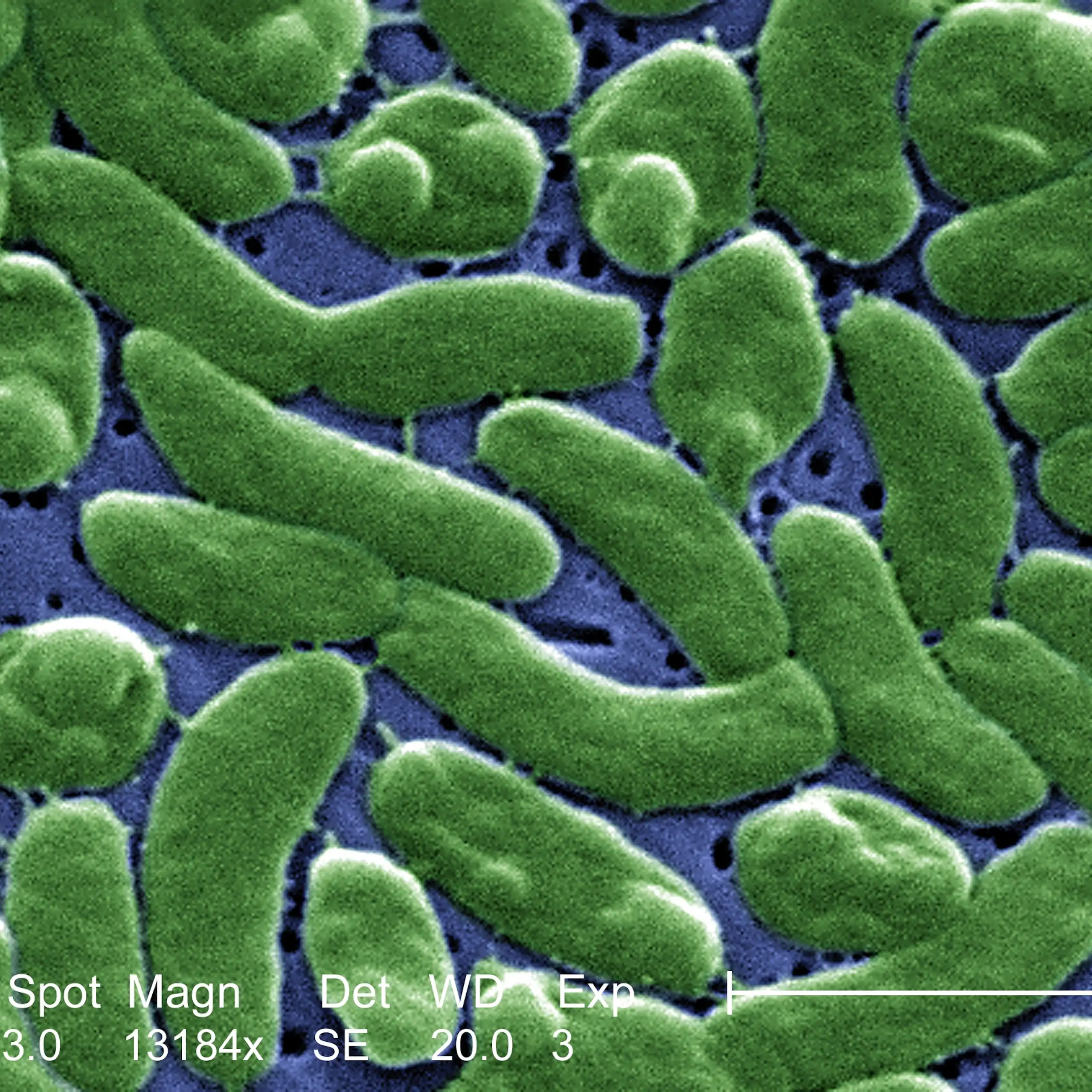
Flesh-eating bacteria are devouring limbs in warming waters worldwide − here’s how to protect yourselfBill Sullivan, Indiana University
Sargassum, the smelly nemesis of beach vacations, has become a self-sustaining disaster that will keep coming backXing Zhou, Georgia Institute of Technology; Annalisa Bracco, Georgia Institute of Technology, and Joseph Montoya, Georgia Institute of Technology
How to avoid tick bites in your yard or while hiking in the woods, and what to do if one starts feasting on youAmanda Roome, Binghamton University, State University of New York
Replacing gas stoves with electric stoves greatly reduces asthma symptomsAshwini Sehgal, Case Western Reserve University
Fishing for DNA – how a cup of river water can reveal secrets about human health, pollution and biodiversityJenny Whilde, University of Florida
Better guacamole? How avocado import rules helped cut Mexico’s water pollution – it holds lessons for future US trade dealsJayash Paudel, University of Oklahoma
Bird droppings were a foundation of modern agriculture and American empireEdward D. Melillo, Amherst College
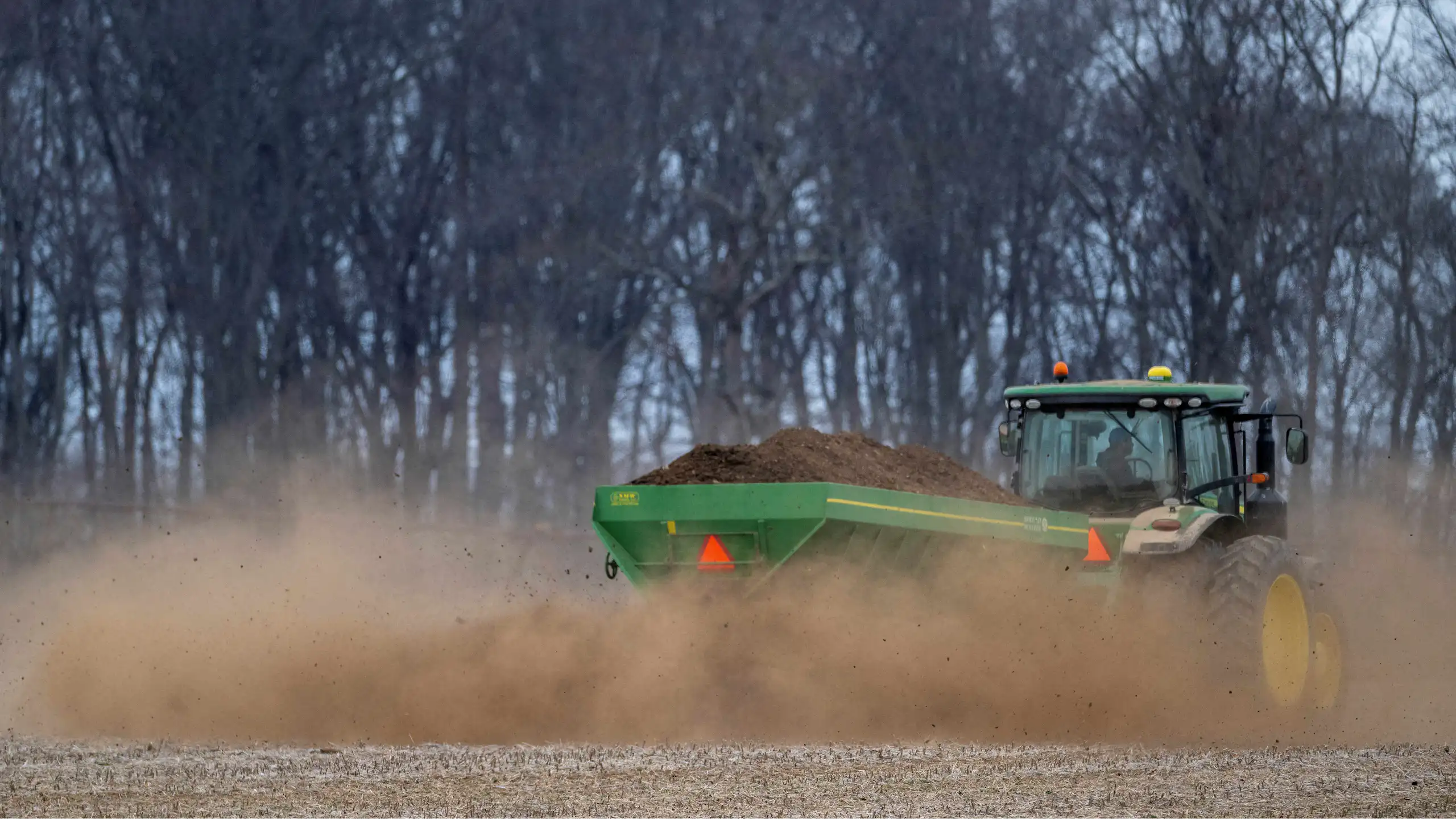
Fertilizers carry a hidden cost for soil’s crucial microbes – using less as prices rise might pay off for farms in unexpected waysEsther Ndumi Ngumbi, University of Illinois Urbana-Champaign
When your local reflecting pool or pond turns green with algae, don’t reach for chemicals – nature has better solutionsEric Palkovacs, University of California, Santa Cruz
War-induced fertilizer shortage may be reducing US soil and water pollutionKimberly Van Meter, Penn State and Nandita Basu, University of Waterloo
Alaska’s glacial lakes are expanding, increasing the risk of destructive outburst floodsDan McGrath, Colorado State University
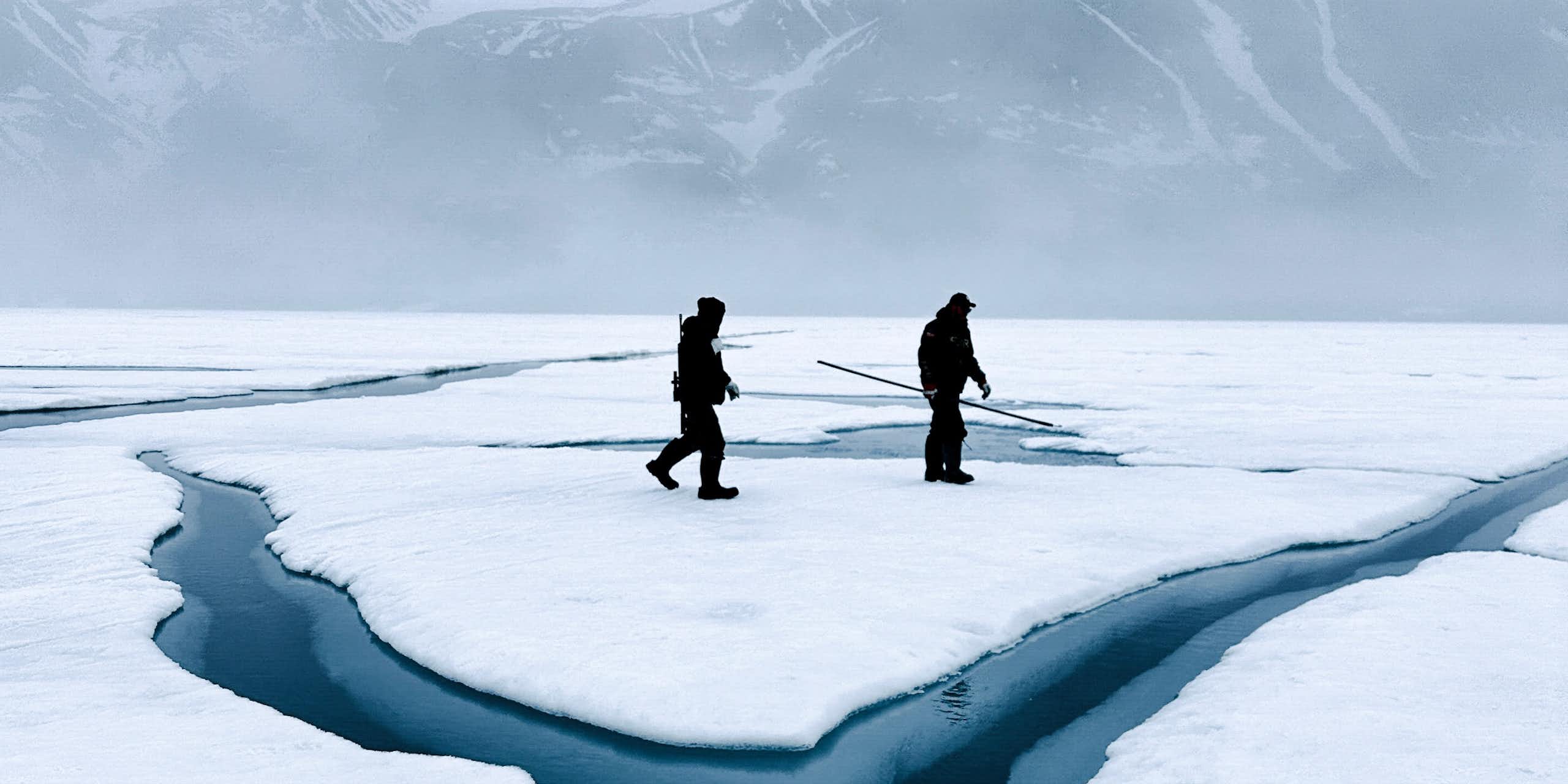
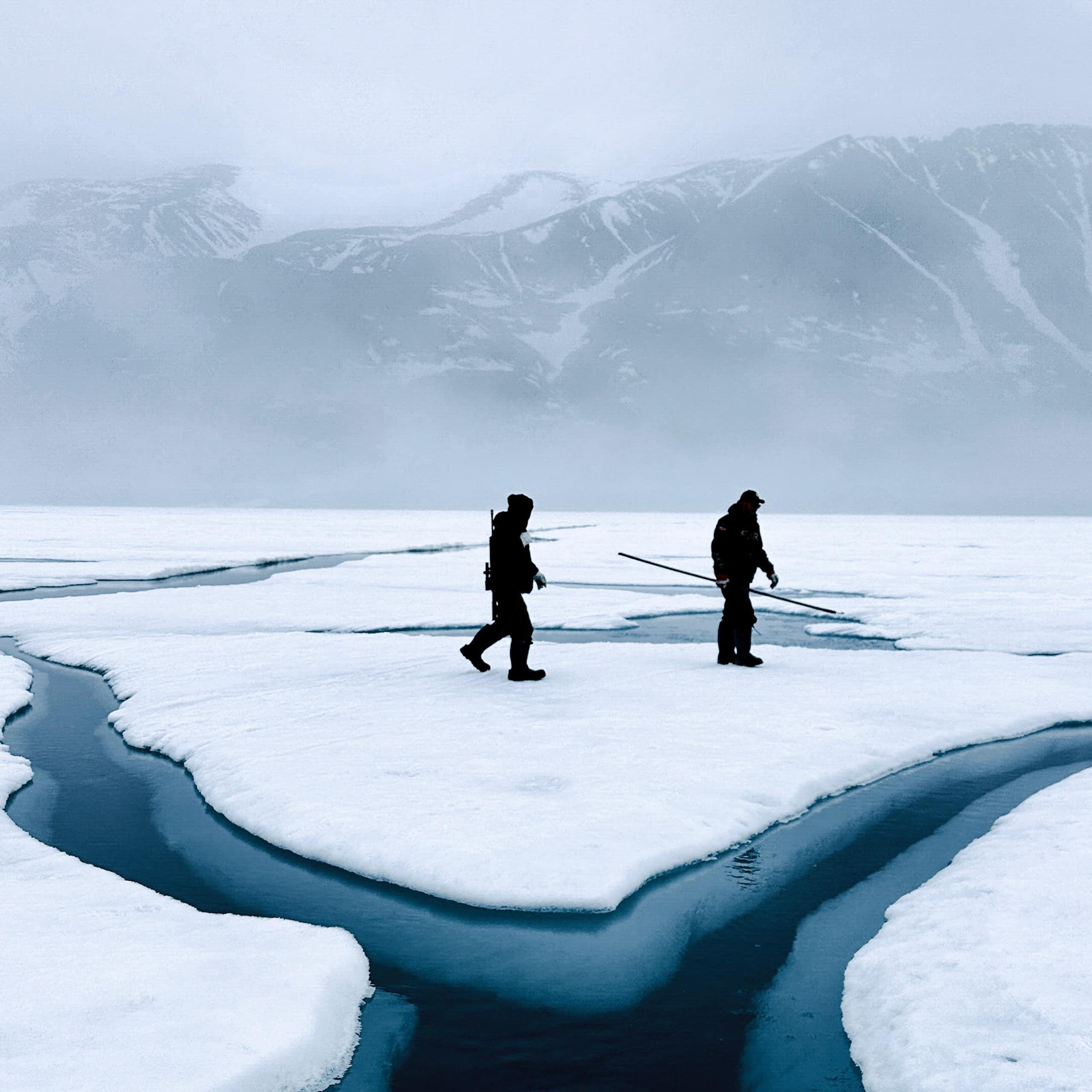
A walk across Alaska’s Arctic sea ice brings to life the losses that appear in climate dataAlexandra Jahn, University of Colorado Boulder
US military has a long history in Greenland, from mining during WWII to a nuclear-powered Army base built into the icePaul Bierman, University of Vermont
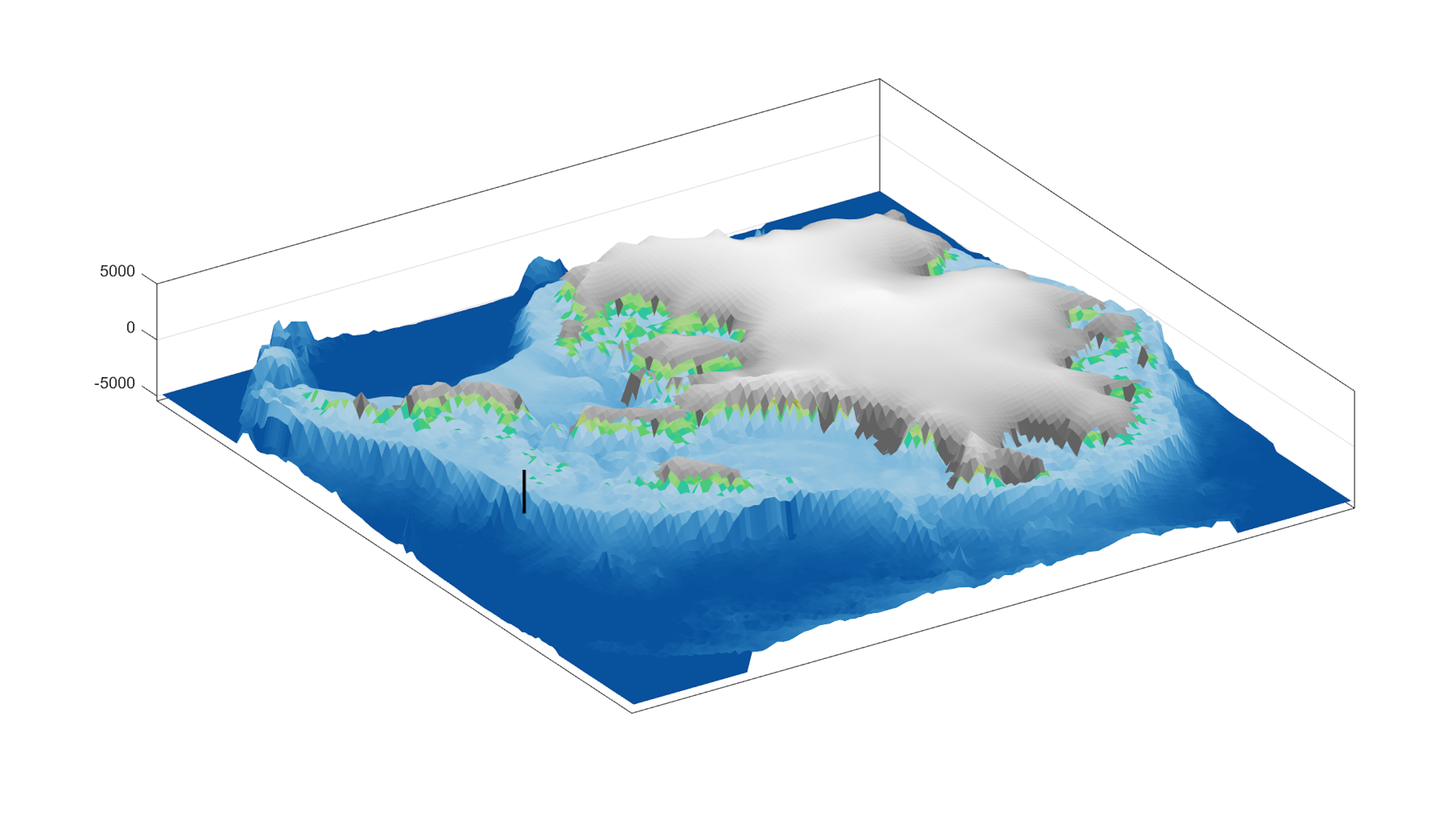
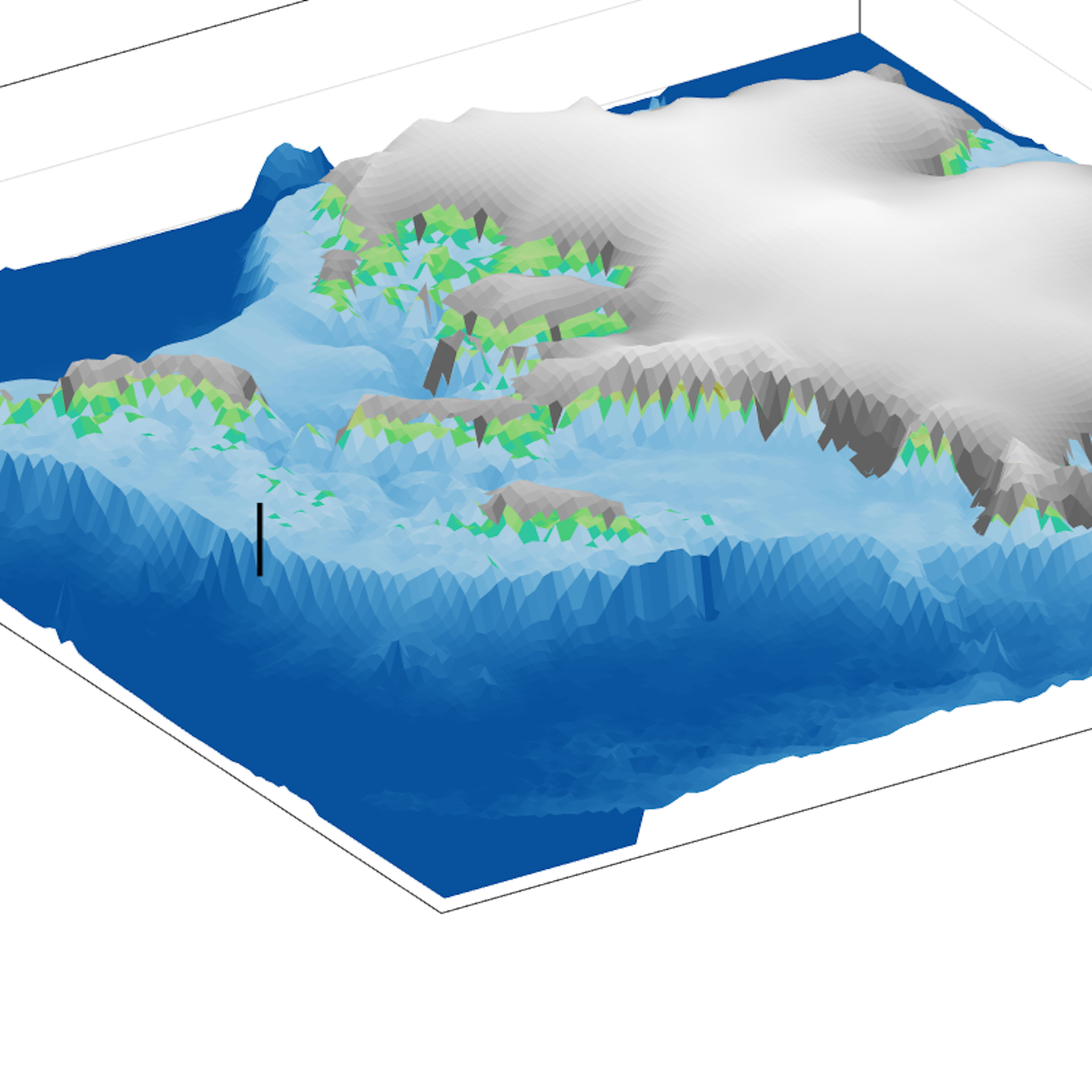
West Antarctica’s history of rapid melting foretells sudden shifts in continent’s ‘catastrophic’ geologyChristine Siddoway, Colorado College; Anna Ruth (Ruthie) Halberstadt, The University of Texas at Austin, and Keiji Horikawa, University of Toyama
From record warming to rusting rivers, 2025 Arctic Report Card shows a region transforming faster than expectedMatthew L. Druckenmiller, University of Colorado Boulder; Rick Thoman, University of Alaska Fairbanks, and Twila A. Moon, University of Colorado Boulder
The missing link in America’s critical minerals push isn’t mining – it’s processing expertiseHélène Nguemgaing, University of Maryland and Alan Collins, West Virginia University
The race to mine critical minerals for AI and clean energy is creating ‘sacrifice zones’ that harm water and health of world’s poorAbraham Nunbogu, United Nations University and Kaveh Madani, United Nations University
In its hunt for critical minerals, the US is misconstruing what is and is not America’sCoalter G Lathrop, Duke University
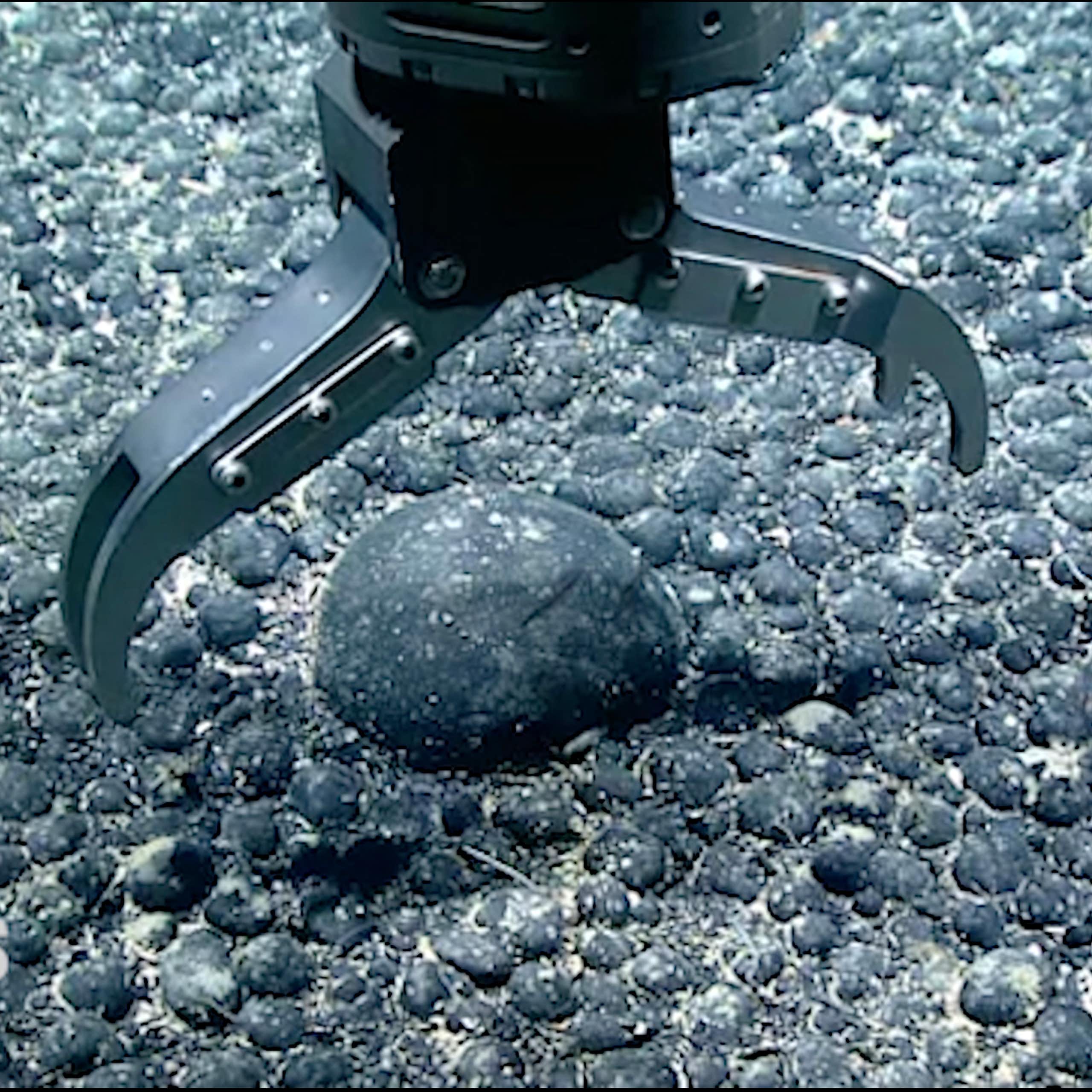
Mining the ocean floor: 5 deep-sea sources of critical minerals essential to technology, and the fragile marine life at riskLeonardo Macelloni, University of Mississippi
America’s next big critical minerals source could be coal mine pollution – if we can agree on who owns itHélène Nguemgaing, University of Maryland and Alan Collins, West Virginia University
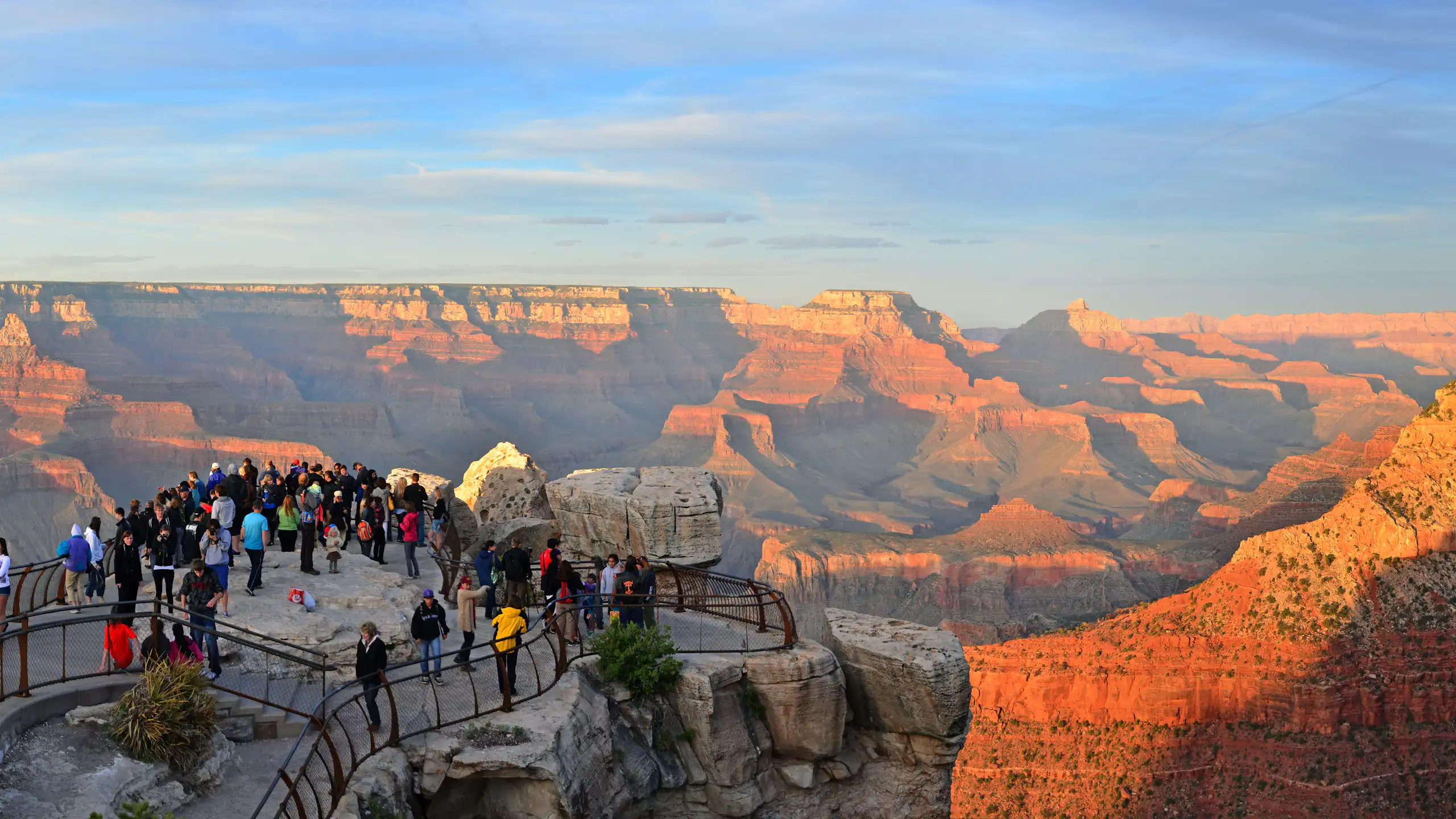
Small businesses at the gateways to America’s national parks face 4 big risks – including changing boundaries and extreme weatherNancy Forster-Holt, University of Rhode Island
The US has acknowledged Bears Ears and Grand Staircase as sacred for over a century, but keeps stripping away protectionsKerri J. Malloy, San José State University
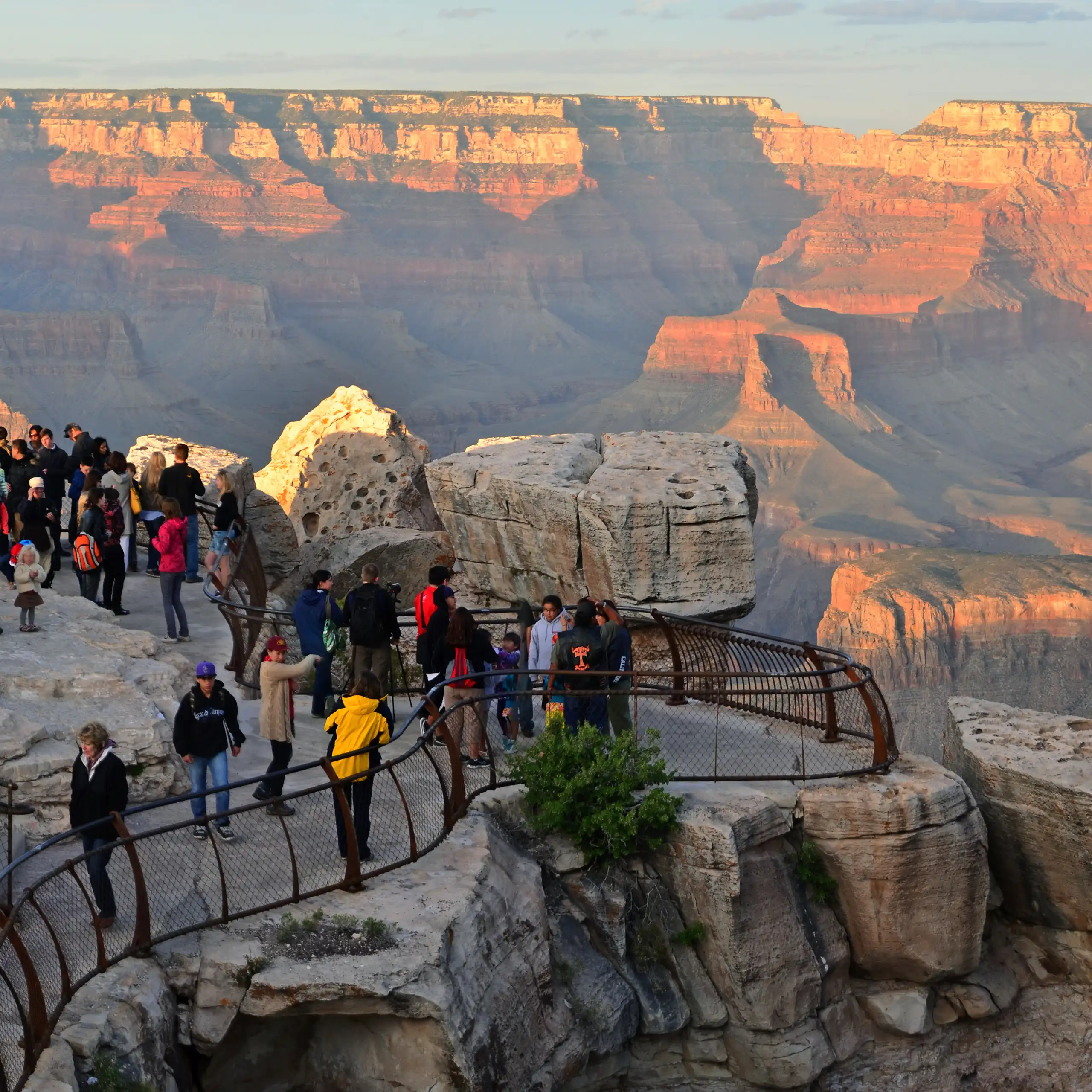
You’re not going to be alone in national parks this summer – enjoy the companyWill Rice, University of Montana and Bing Pan, Penn State
What does it mean to be a new national park? Ocmulgee Mounds in Georgia may soon find outSeth T. Kannarr, University of Tennessee
Yosemite embodies the long war over US national park privatizationMichael Childers, Colorado State University
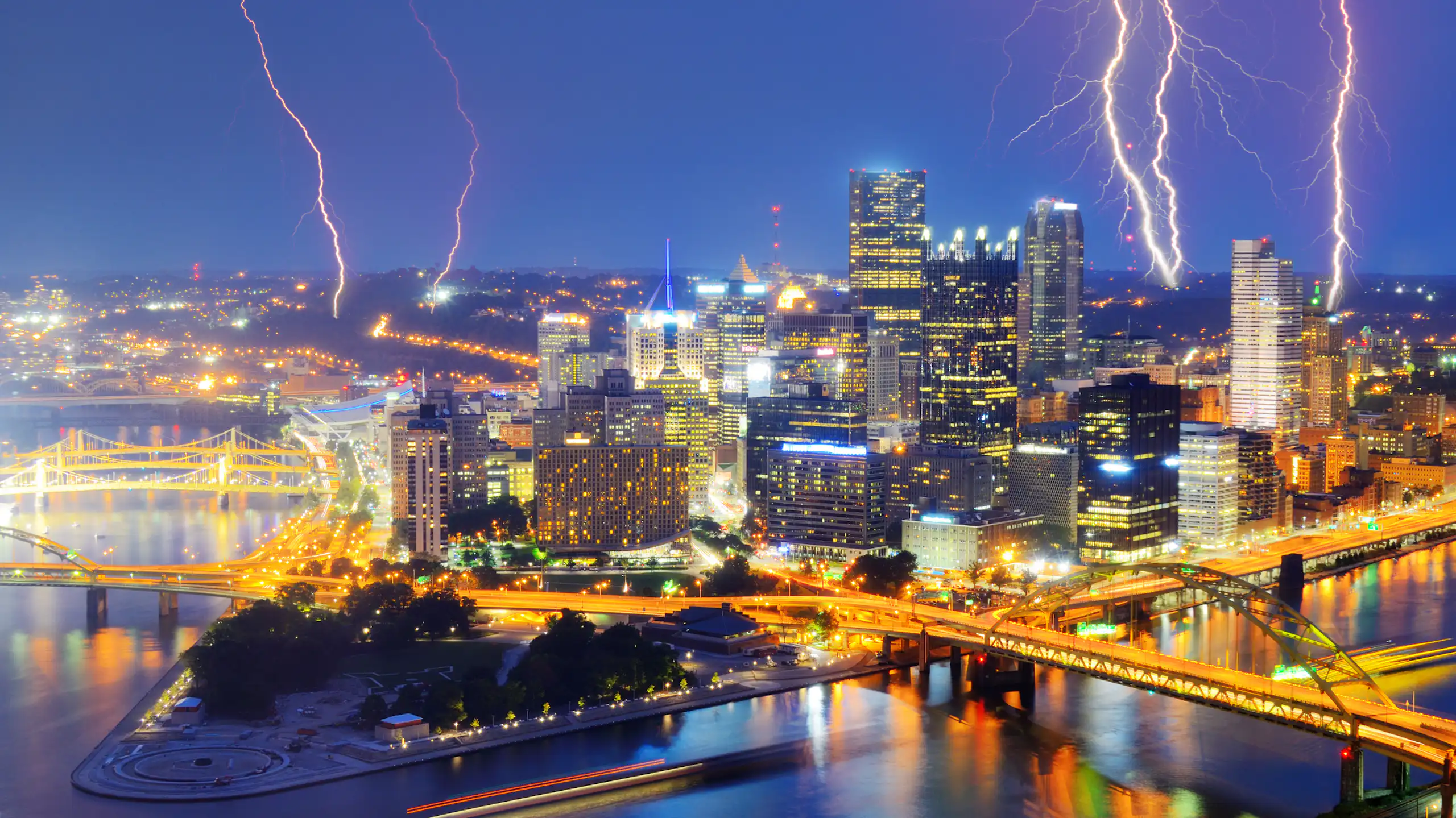
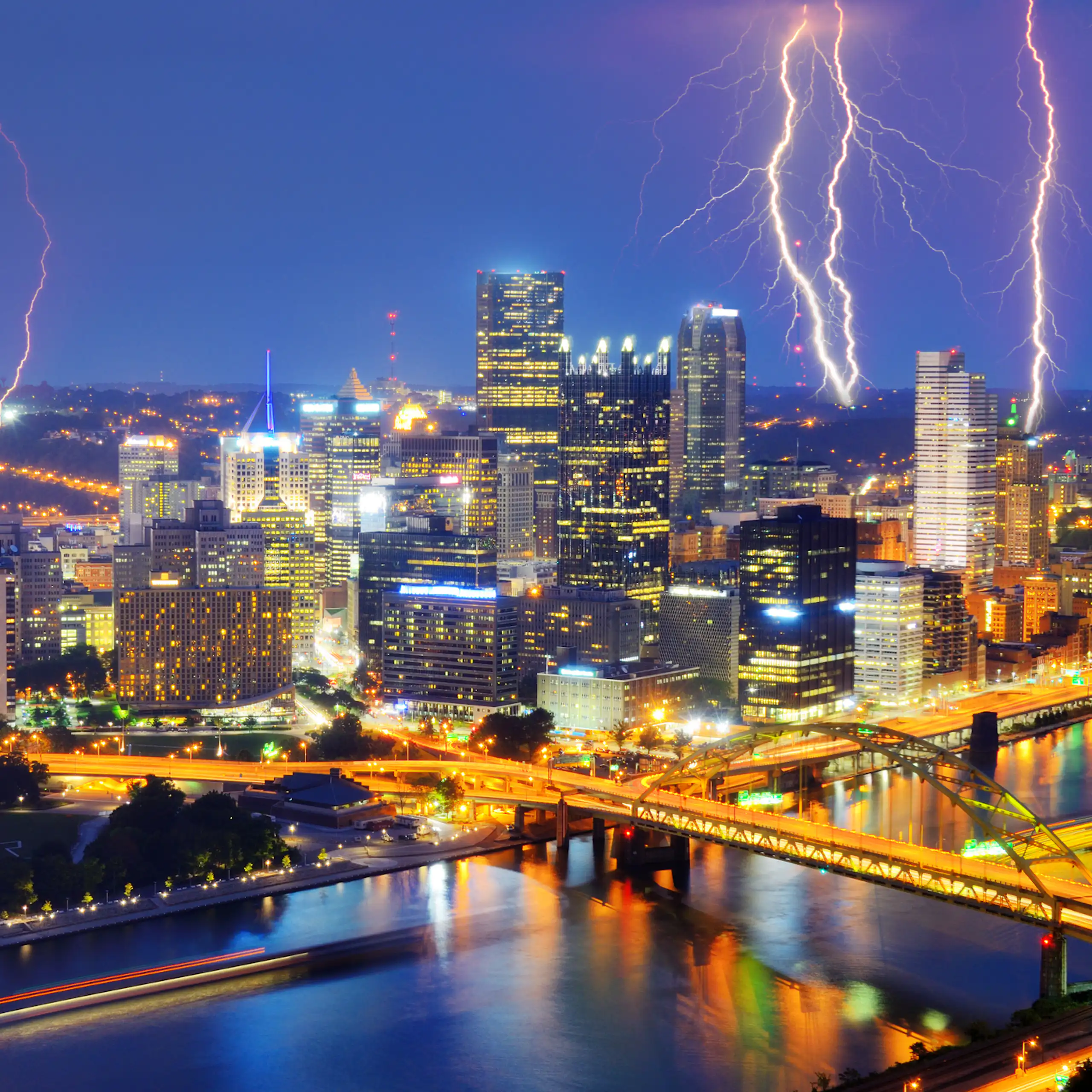
Severe storms battered Pittsburgh twice as often as usual this spring – a meteorologist explains whyChristopher Davis, UMass Amherst
Colorado prepares for screwworms, as the pest that was eradicated in 1966 returns to the USSarah Tomlinson, Colorado State University
Pennsylvania roads are being coated in radioactive wastewater − here’s whyWilliam Burgos, Penn State and Nathaniel Warner, Penn State
Should you swim in Pittsburgh’s rivers? A water researcher breaks down the answerDaniel Bain, University of Pittsburgh